
Home > Zirconia Beads
Customize Your Zirconia Beads
Our zirconia beads are high-performance ceramic grinding media suitable for ultrafine grinding and dispersion. These high-performance ceramic grinding media replace traditional steel and glass balls and are widely used in wet grinding equipment. Our zirconia bead types include Yttria-stabilized zirconia beads (ZR95), cerium-stabilized zirconia beads, silicon nitride zirconia beads, zirconium aluminum composite beads (ZR80), and zirconium silicate beads, effectively helping industries such as electronic pastes, biopharmaceuticals, mining, paints and coatings, and new energy batteries grind ultrafine powders.
See How It Works
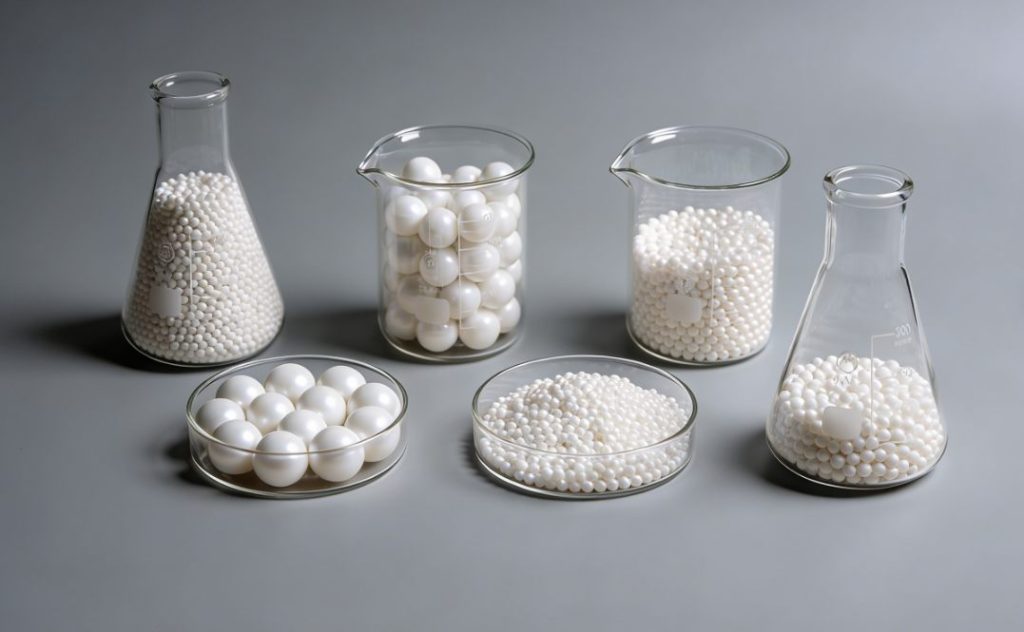
High-Quality Zirconia Beads
Zirconia beads are used as the primary grinding media in ultrafine powder processing, not only in wet grinding equipment but also extensively in dry grinding. For example, sand mills used in wet grinding or ball mills used in dry grinding can utilize our zirconia beads. In these high-speed operating systems, once the material to be ground is fed into the chamber, it is broken into fine particles by the impact of the grinding beads. Our zirconia beads can grind materials to nanoscale standards.
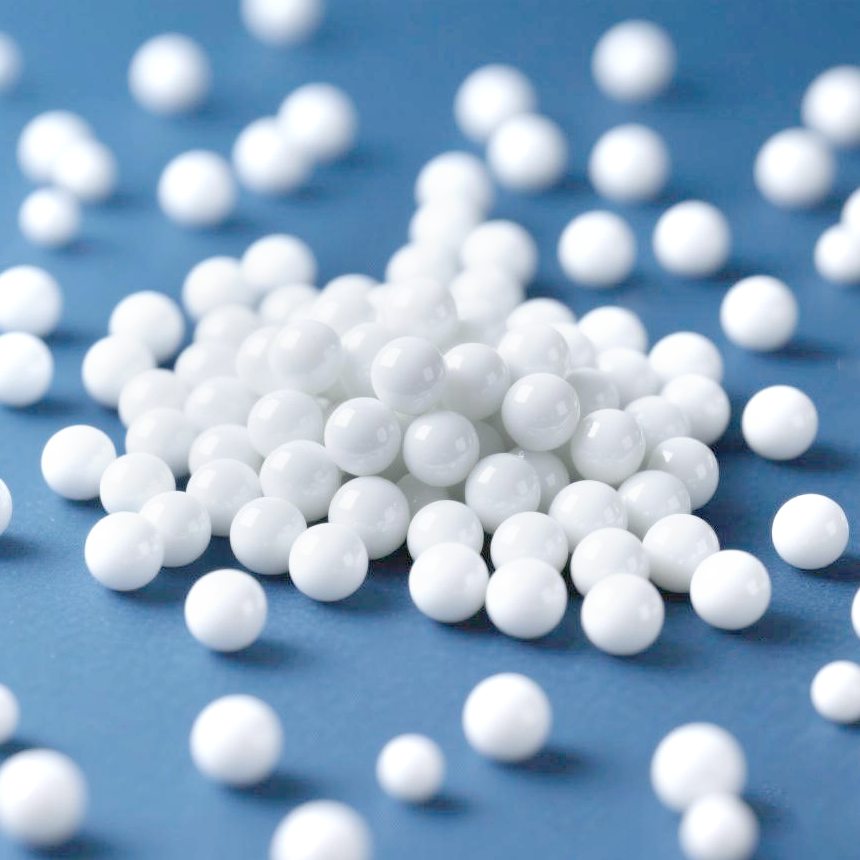
Different Specifications of Zirconia Beads
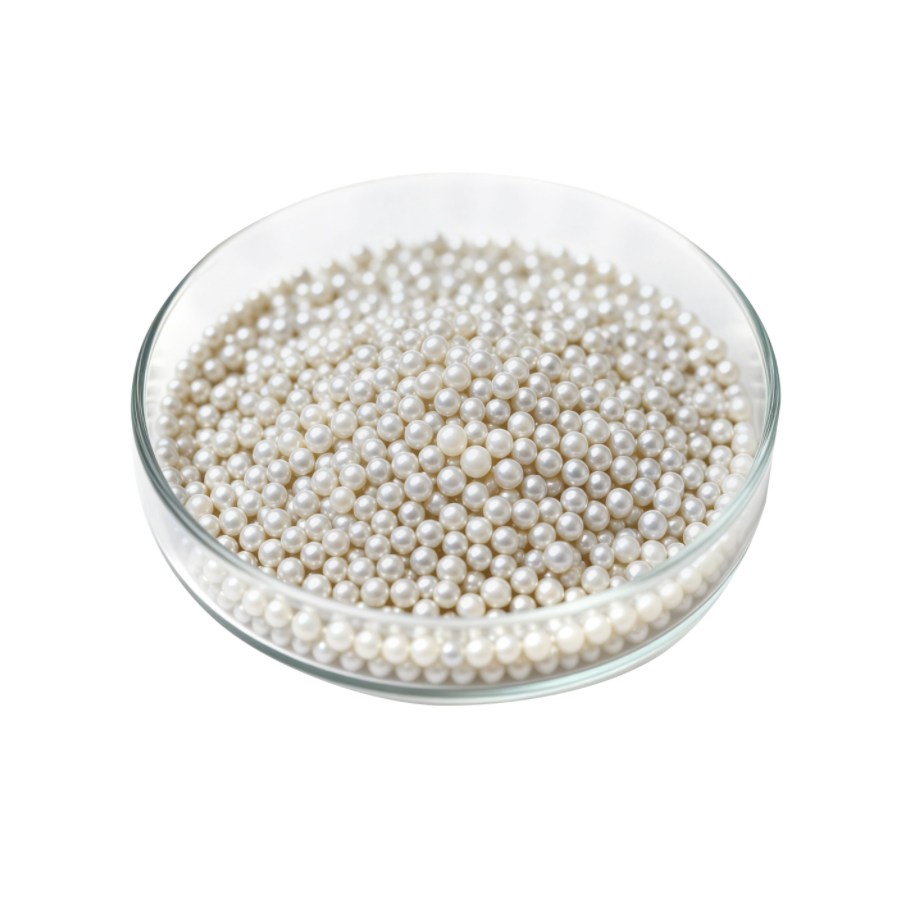
Our company’s ZR95 Nano zirconia beads, also known as zirconia ceramic beads, are primarily composed of zirconium dioxide (ZrO₂) and Yttria oxide (ZrO₂ + Y₂O₃ (stabilizer)), with a zirconium oxide content of approximately 94-95%.
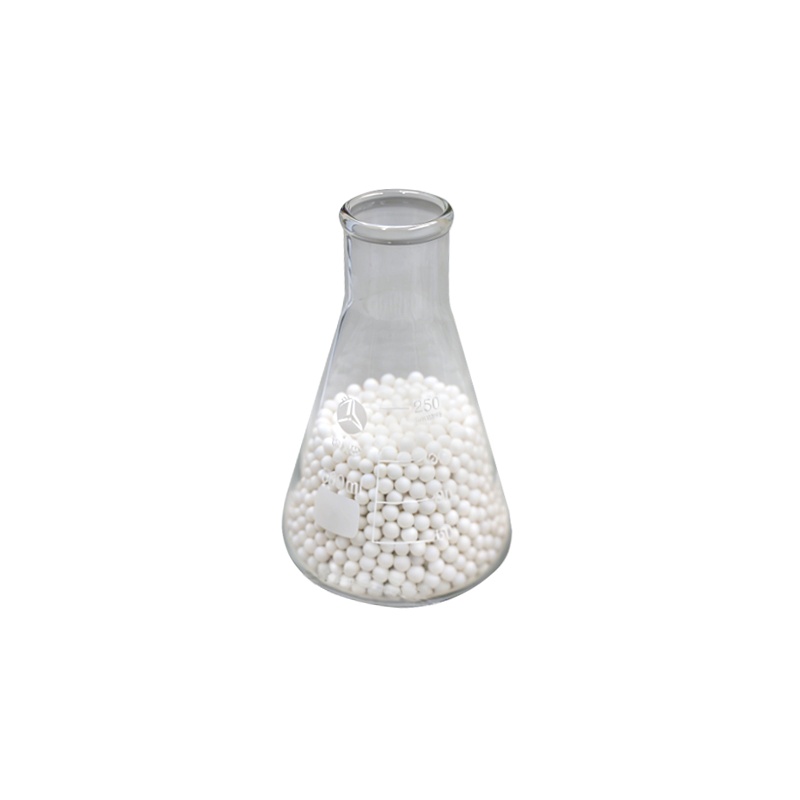
ZR95 High Purity Zirconia Beads
Quality prototypes and production parts. 1-Day expedite. Free shipping on all US and international orders. ISO 9001:2015, ISO 13485, IATF 16949:2016, and AS9100D certified.
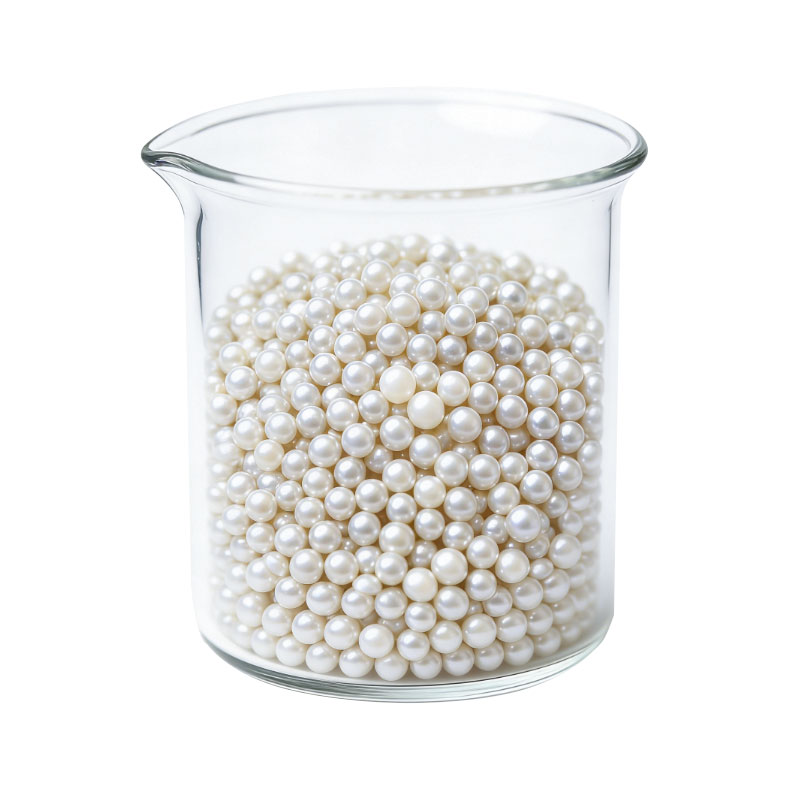
ZR80 Zirconia Beads
Quality prototypes and production parts. 1-Day expedite. Free shipping on all US and international orders. ISO 9001:2015, ISO 13485, IATF 16949:2016, and AS9100D certified.
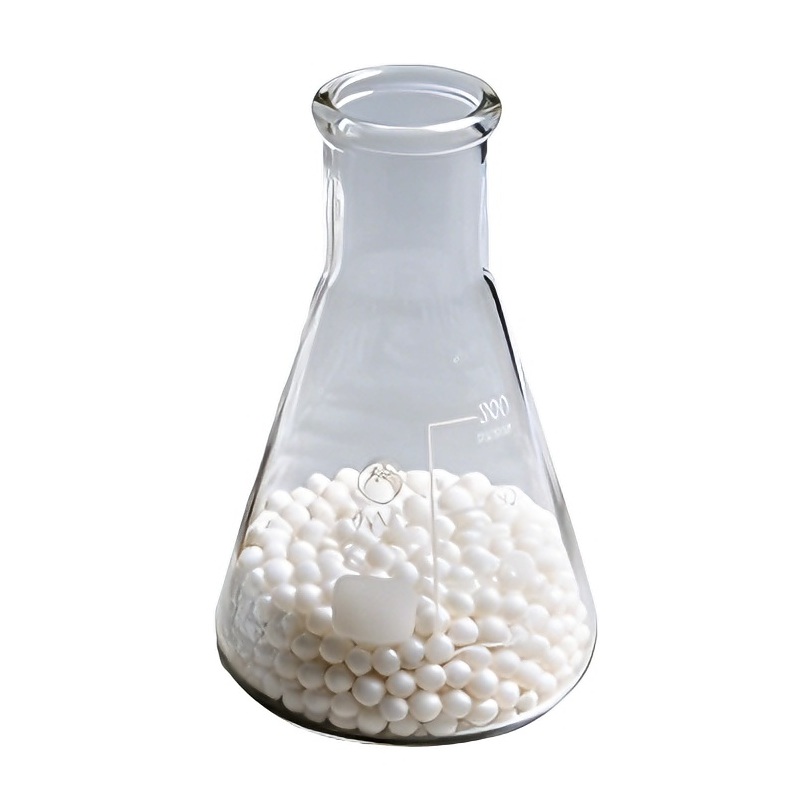
Yttria-Stabilized Zirconia Beads
The chemical composition of yttria-stabilized zirconia beads consists of more than 95% ZrO₂ and 4.5-5.5% Y₂O₃. Pure zirconia undergoes a crystal phase transformation with significant volume changes at varying temperatures, making it prone to cracking.
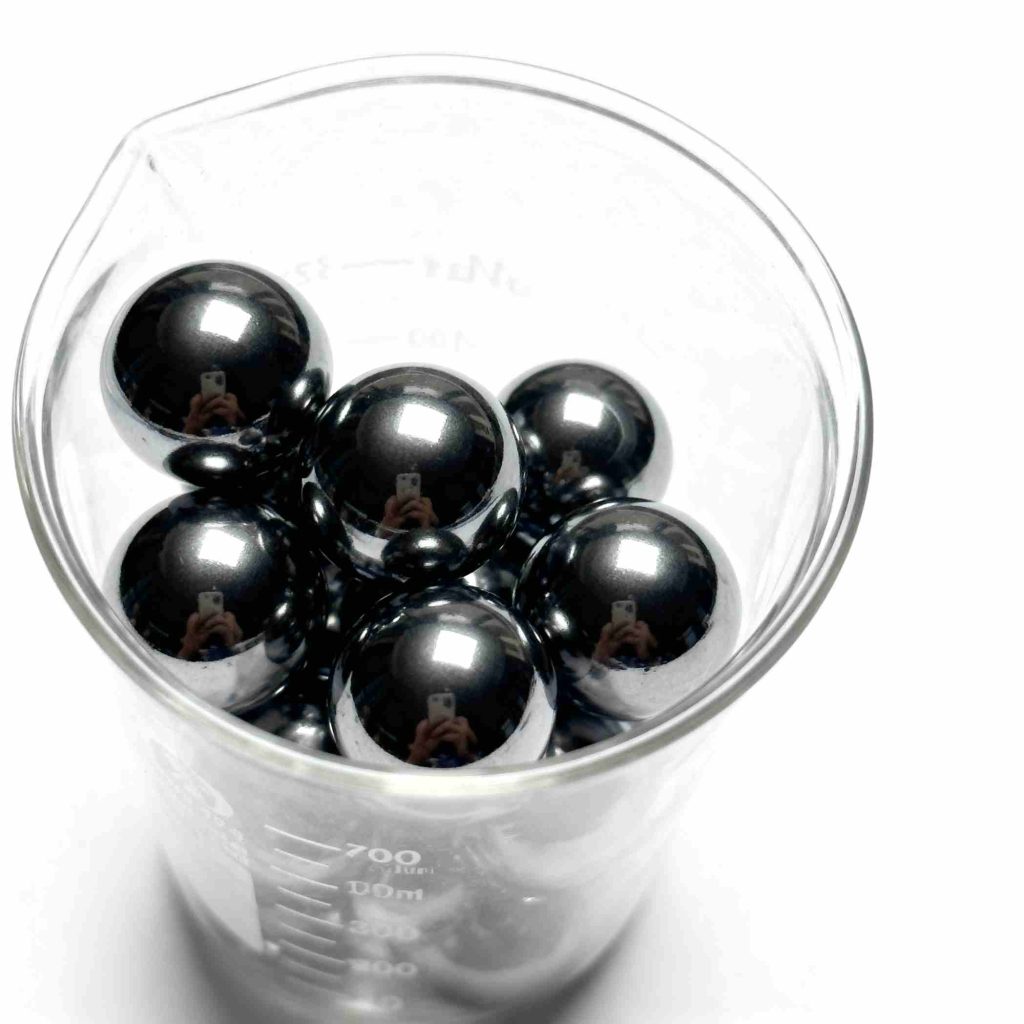
Silicon Nitride Zirconium Beads
Quality prototypes and production parts. 1-Day expedite. Free shipping on all US and international orders. ISO 9001:2015, ISO 13485, IATF 16949:2016, and AS9100D certified.
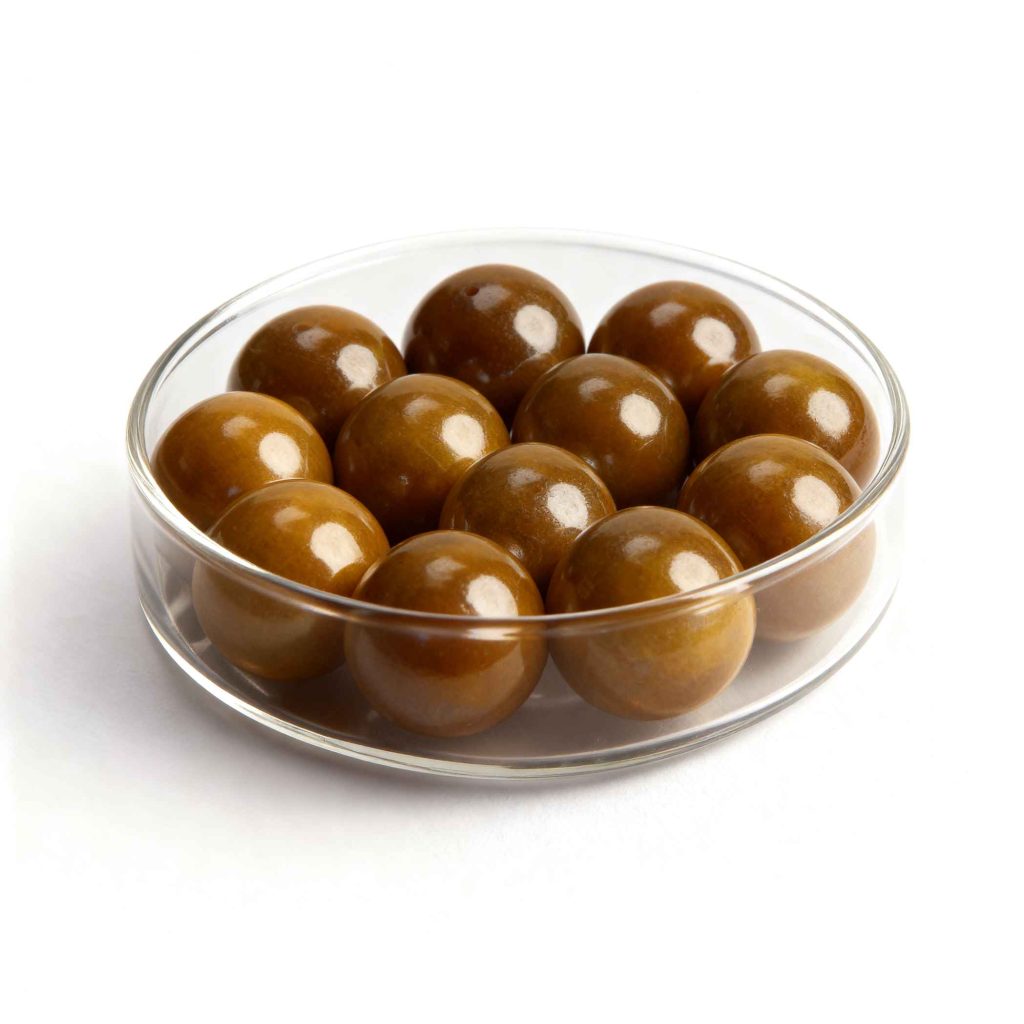
Cerium-Stabilized Zirconia Beads
Quality prototypes and production parts. 1-Day expedite. Free shipping on all US and international orders. ISO 9001:2015, ISO 13485, IATF 16949:2016, and AS9100D certified.
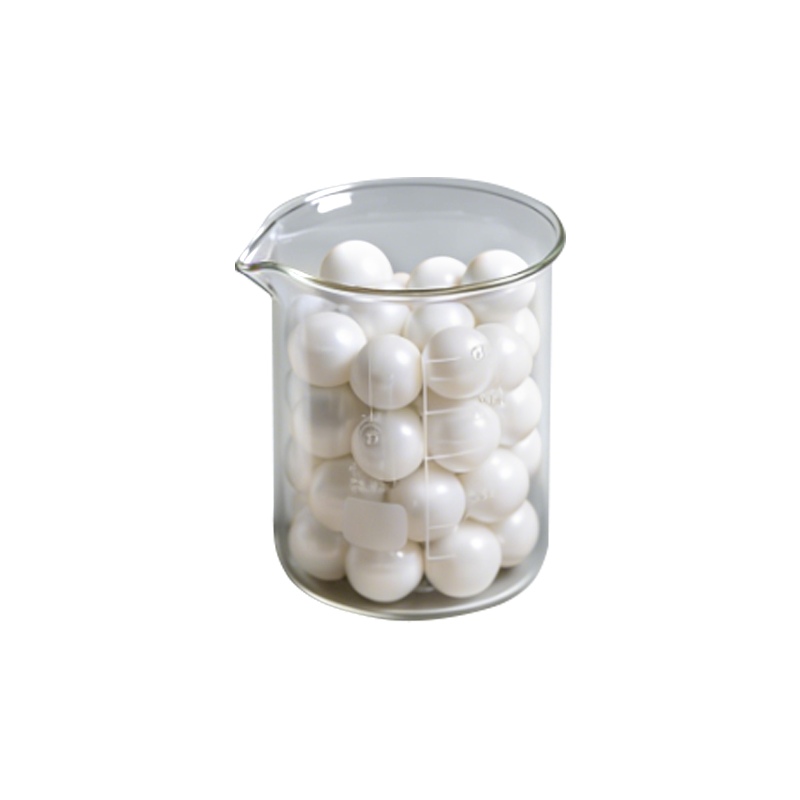
Composite Zirconia Beads
Quality prototypes and production parts. 1-Day expedite. Free shipping on all US and international orders. ISO 9001:2015, ISO 13485, IATF 16949:2016, and AS9100D certified.
How to Choose Our Zirconia Beads
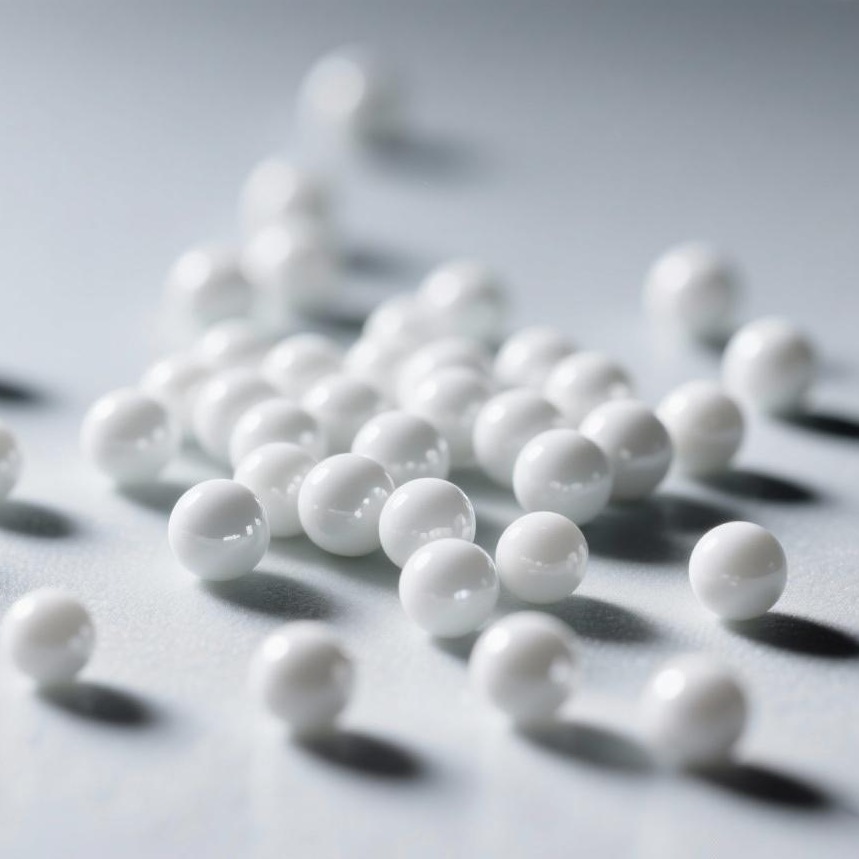
Density
Generally, higher-density grinding beads result in higher grinding efficiency, stronger kinetic energy, and greater crushing force. Our ZR95 zirconia beads can reach a maximum density of ≥6.03 g/mm². However, high-density grinding beads can easily cause wear on the internal cavities of grinding equipment, such as the inner cylinder or dispersion disc in a sand mill. Therefore, when selecting high-density zirconia beads, the viscosity and flow rate of the material are the most important factors. Low-density grinding beads are suitable for low-viscosity slurries, while high-density beads are suitable for high-viscosity materials.
Particle Size
The particle size of the zirconia beads determines the contact area or contact points with the material. Smaller-sized grinding beads allow for more contact points within the same container size, enabling them to achieve very high efficiency in grinding materials. Through our engineers’ experiments, when using our beads for grinding, the final volume of ground material is typically one-tenth the size of the bead. Therefore, we generally recommend that users select and control the particle size of the material based on the bead’s size. The bead size can also be selected based on the particle size of the material. When the bead size distribution is close to a normal distribution, the particle size of the ground material will be more uniform.
Filling Density
Different zirconia beads have different filling densities. For example, our ZR95 series of zirconia beads includes two types: nano-zirconia beads and high-purity zirconia beads. Although both are from the same series, the filling density of nano-zirconia beads needs to be ≥3.7 g/mm², while that of high-purity zirconia beads needs to be ≥3.6 g/mm². Therefore, we usually use filling density to calculate the amount of beads needed to fill different equipment cavities.
Compressive Strength
- Compressive strength, also known as crushing load, is crucial. Beads with low strength not only have internal structural defects but are also prone to breakage during grinding.
Hardness
The hardness of zirconia beads is usually a major concern for users. Based on our experiments and customer feedback, there is no significant relationship between bead hardness and wear. For example, in our tests using wet grinding equipment, harder beads tend to cause greater wear on their contact parts. However, we can control the optimal grinding state between the beads and the material by adjusting the bead filling amount, material viscosity, and agitation speed.
Bead Sphericity
Our experiments have shown a correlation between the sphericity of the beads and their likelihood of breakage. Generally, beads with higher sphericity are less likely to break during grinding. Therefore, we pay close attention to the sphericity and size of each bead during production. The closer the bead is to a perfect circle, the better its flowability, resulting in less resistance during grinding.
Grinding Wear
Many users’ biggest concern when purchasing our beads is wear. Bead wear typically comes from collisions between the material, the grinding beads, and the machine. Therefore, wear is inevitable with prolonged use. However, beads with lower wear can achieve a higher standard of material fineness.
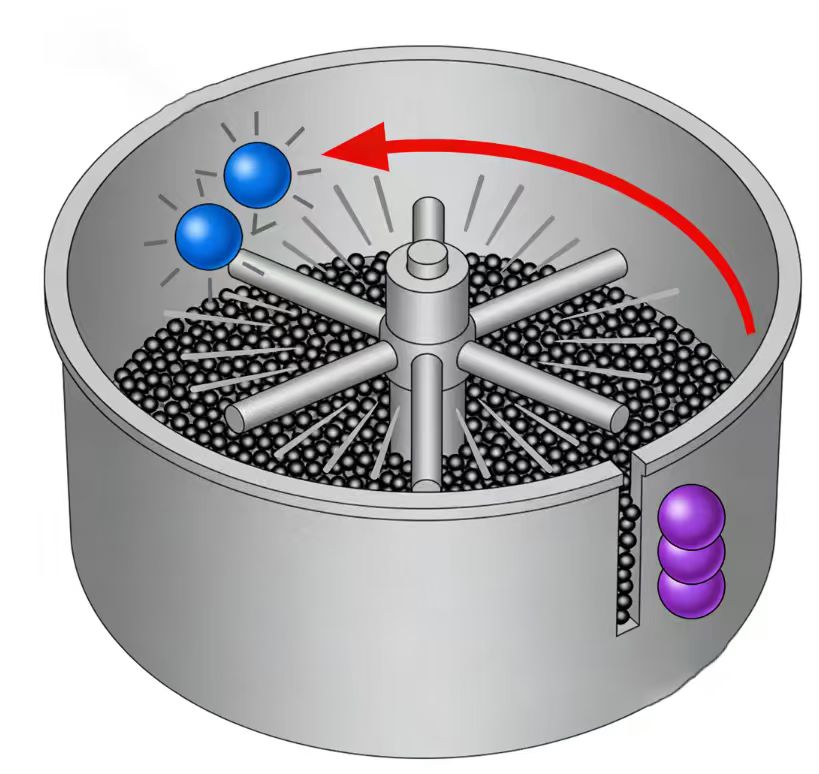
Working State of Zirconia Beads in a Sand Mill
Zirconia beads are used to break materials into smaller particles, down to the nanometer scale, by impact. The material being ground is typically less than 1/10 the size of the zirconia beads.
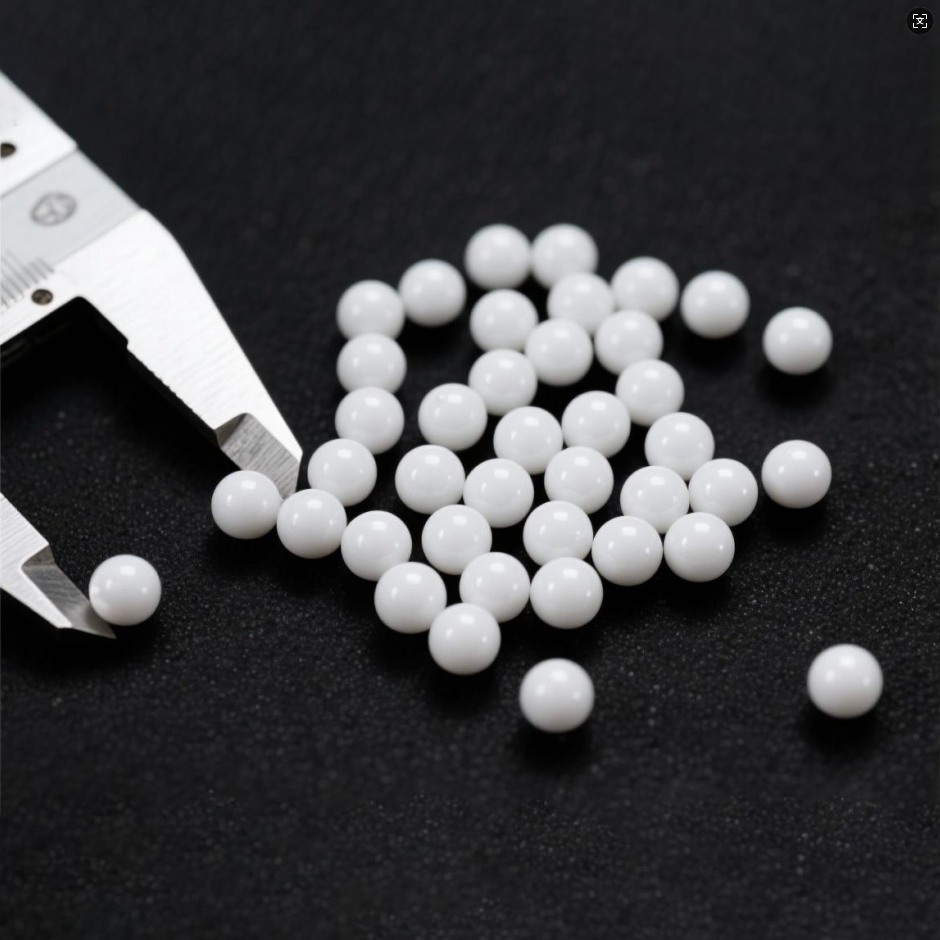
We offer customizable zirconia beads in various materials and specifications.
Applications of Zirconia Beads
Our zirconia beads are currently widely used in the grinding and ultrafine dispersion of materials such as electronic pastes, graphite, coatings, batteries, and electrode materials. We have developed different types of beads for different fields and can also customize grinding beads of different specifications for users in industries such as new energy, paints and coatings, food, medical, cosmetics, and pesticides.
New Energy and Battery Materials
In the grinding of battery materials, extremely low fineness is required, such as cathode materials (LFP, NCM, NCA), anode materials (graphite, silicon-carbon composites), hydrogen fuel cell catalyst slurries, and photovoltaic silver pastes. The use of zirconia beads ensures uniform dispersion and grinding, achieving extremely low fineness, which directly affects the conductivity and efficiency of the battery.
Paints and Inks
To ensure the color saturation and transparency of paints, many paints and inks require extremely high fineness, such as automotive paints, digital inkjet inks, and cosmetic-grade color pastes. The surface smoothness of the beads directly affects the gloss and blackness of the product, so we generally recommend ZR95 series beads to users.
Medical and Pharmaceutical Industries
Common materials include liposomes, nanoemulsions, and injection suspensions. To ensure the entire pharmaceutical process is free of impurities and meets sterility requirements, and to achieve nanoscale homogenization, we also typically recommend ZR95 series beads to users.
Cosmetics
Many cosmetics require materials to be ground to the nanoscale for application to the skin. The most common examples are sunscreens (TiO₂/ZnO) and serums (active ingredients). To prevent heavy metal contamination, it is crucial to avoid inferior or substandard beads. Therefore, using food-grade or cosmetic-contact-grade high-purity Yttria-stabilized zirconia beads is essential.
Pesticides
The biggest challenge in pesticide production is the high hardness and difficulty in grinding the materials. Materials may require a particle size of less than 5µm to achieve suspension stability. For grinding the raw materials of such pesticides, we generally do not recommend that users choose zirconium silicate beads.
Minerals
Some ores, such as those containing gold, platinum, silver, or rare earth elements, must be processed in a resource-saving manner. Therefore, ceramic microspheres are often used for dry and wet grinding processes. Our ceramic beads ensure efficient processing of ores and minerals, thereby achieving maximum output.
Quality Control in the Zirconia Bead Production Process
Raw Material Quality Control
- Chemical Composition (XRF)
- Crystal Phase (XRD)
- Particle Size Distribution (PSD)
- Surface Area (BET)
- Moisture Content (LOD)
- Loose Bulk Density (Bulk Method)
Production Process Management
1. Molding Process
- Chemical Composition (XRF)
- Particle Size Distribution (PSD)
- Specific Surface Area (BET)
- Viscosity (Rheometer)
- Moisture Content (LOD)
2. Sintering Process
- Temperature Control (Temperature Measuring Block)
- Compressive Strength (Universal Testing Machine)
- Internal Structure (Metallurgical Microscope)
3. Polishing Process
- Surface Finish (Metallurgical Microscope)
- Apparent Density (Digital Hydrometer)
4. Selection Process
- Sphericity (Metallurgical Microscope)
- Irregularity Ratio (Irregularity Percentage Statistics)
5. Sieving Process
- Particle Size Distribution (Metallurgical Microscope)
- Particle Size Excess Rate
Outgoing Inspection Management
- Particle Size Distribution (Metallurgical Microscope)
- Internal Structure (Metallurgical Microscope)
- Density (Bulk Density – Displacement Method / Packing Density – Packing Method)
- Compressive Strength (Universal Testing Machine)
- Surface Finish (Metallurgical Microscope)
- Vickers Hardness (HV)